Plateau State
Mining and quarrying encroachment on Shere Hills and tourist heritage sites
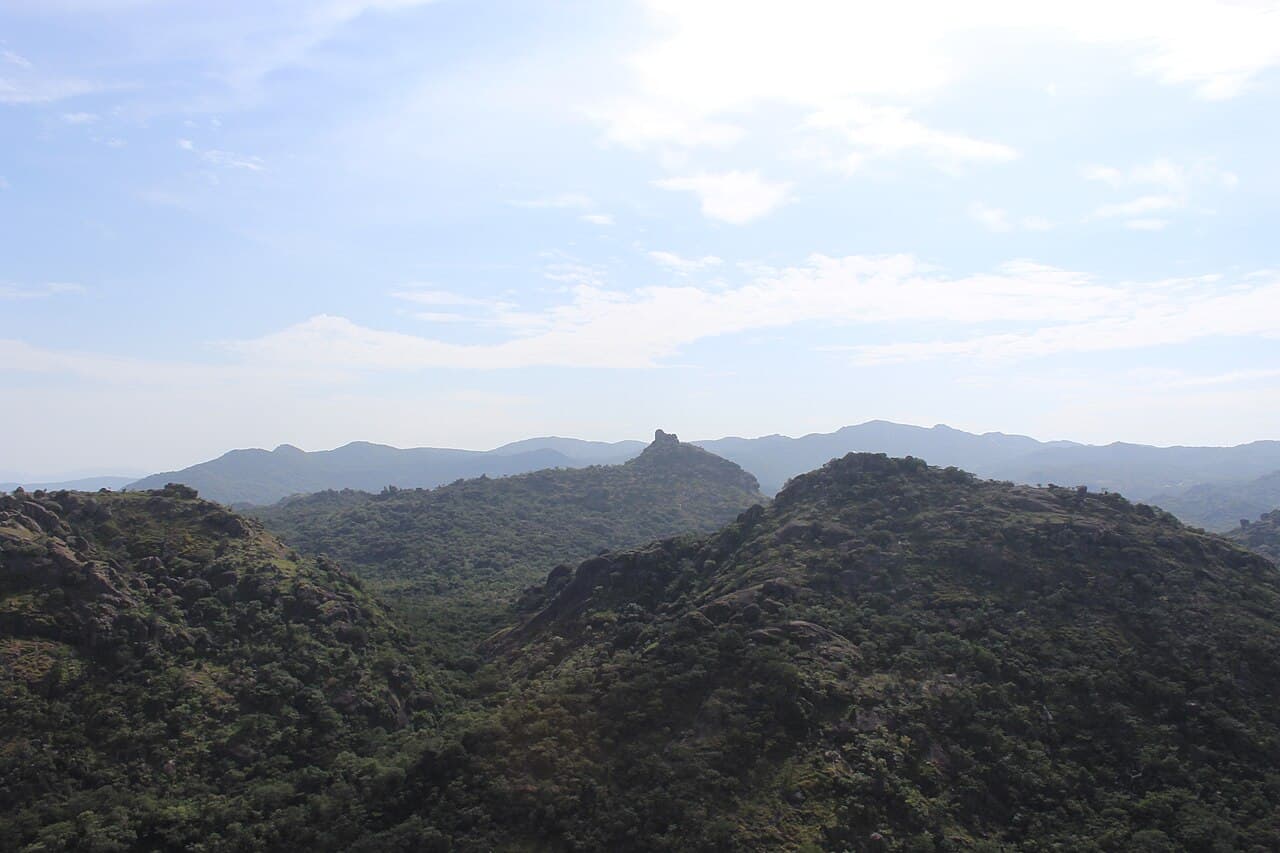
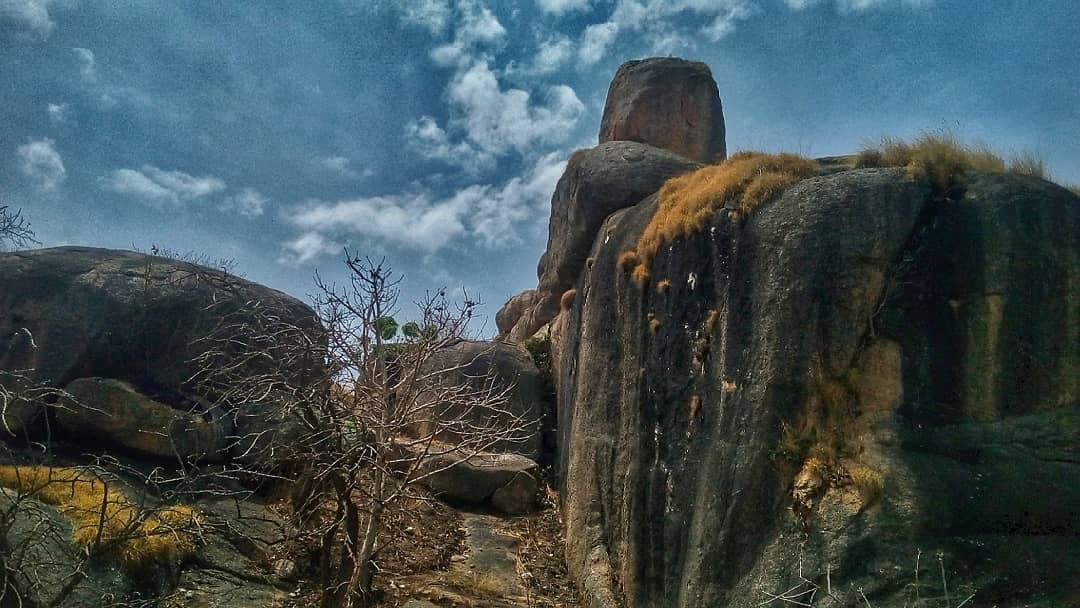
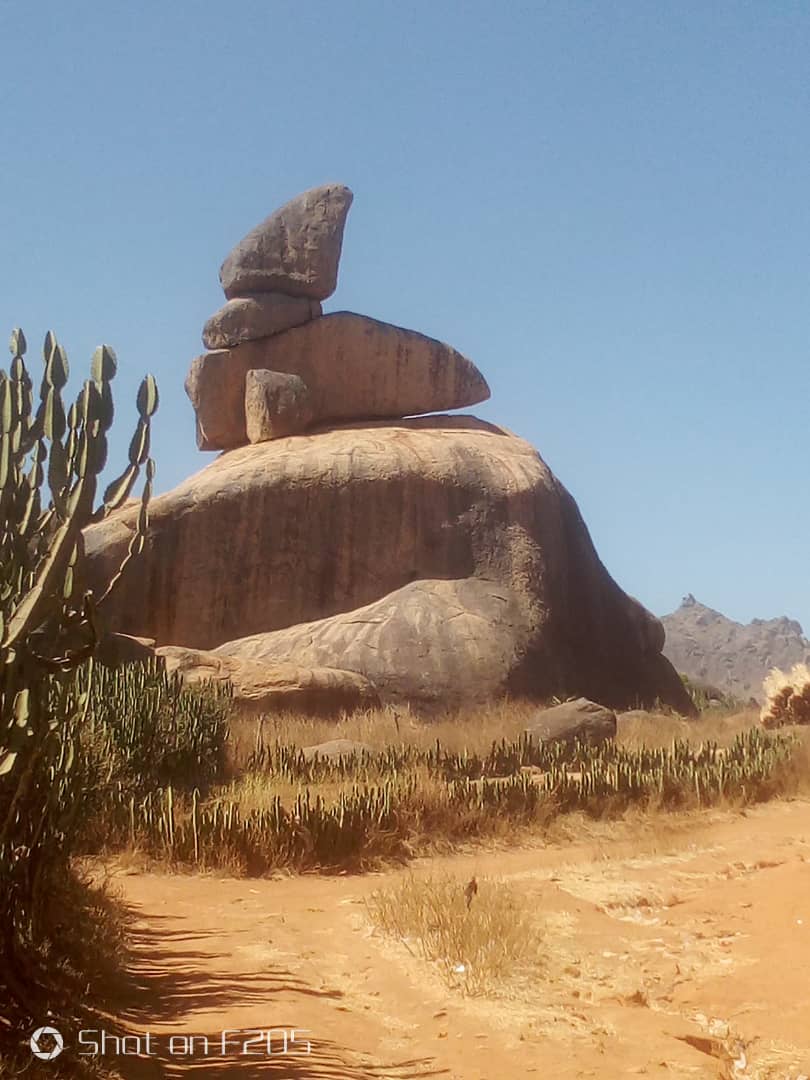
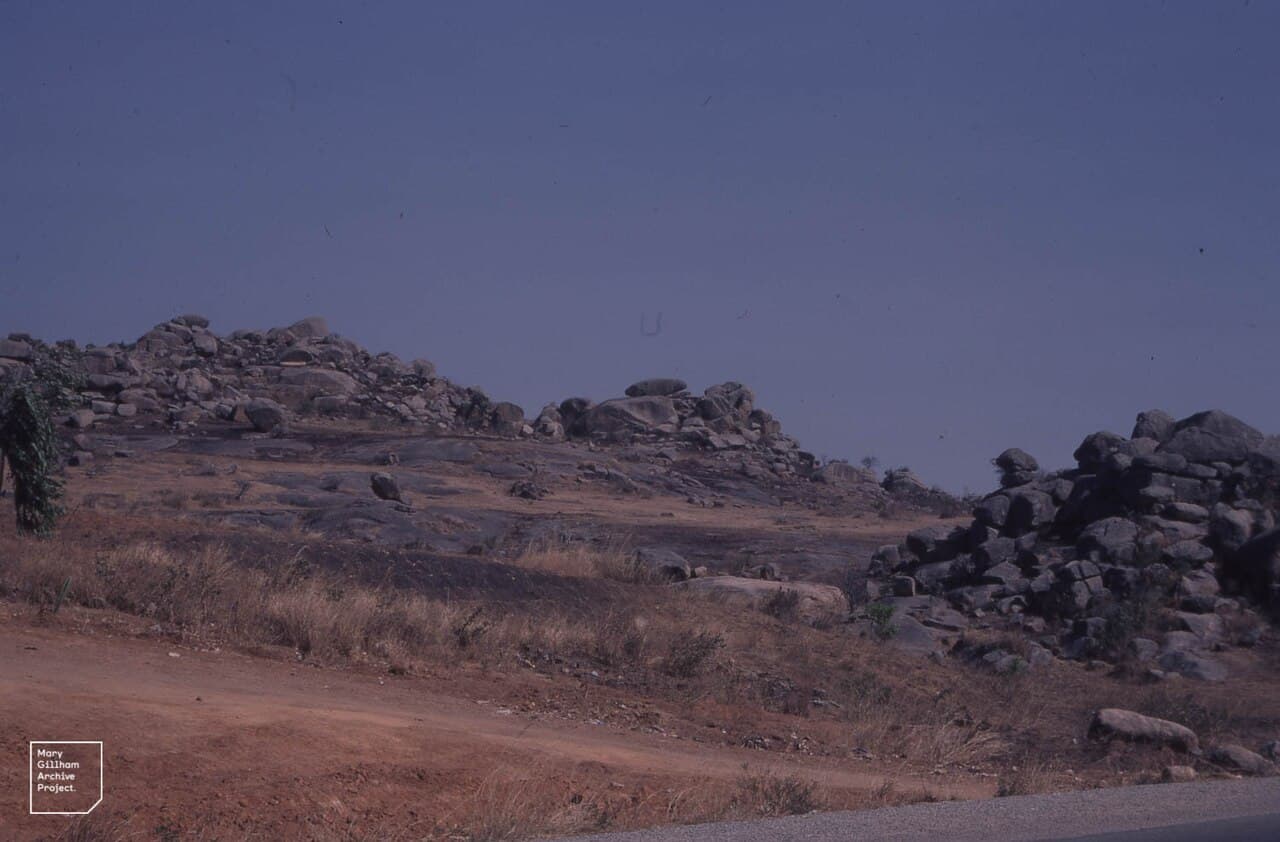
Quarrying and mining are cutting into the Shere Hills on the eastern edge of the Jos metropolis, scarring the highest landscape on the Jos Plateau and eroding a tourist and cultural heritage the state hopes to build its economy on. Rising to about 1,829 m, the range is the third highest point in Nigeria and a prime destination for hikers and climbers, yet excavators are now cutting directly into its rock faces and heavy blasting has replaced the birdsong residents once knew. The damage extends to other heritage formations, including the Gog and Magog 'sacred rocks' and Riyom Rock, where granite quarrying leaves permanent dust and eroded paths. Weekend tourism has collapsed alongside the damaged access roads, and the state tourism commissioner concluded on inspection that the operator could not have been fully approved for devastation on this scale.
Evidence and current condition
- The Shere Hills are the highest point of the Jos Plateau, with peaks reaching about 1,829 m, making the range the third highest point in Nigeria and a prime destination for hikers and mountain climbers.
- Excavators and quarry operators are cutting directly into the rock face of the tourist hills; residents report that heavy blasting has replaced birdsong and that the landscape is being progressively destroyed.
- The encroachment extends beyond Shere Hills to other heritage formations, including the Gog and Magog 'sacred rocks' and Riyom Rock, where quarrying for granite leaves permanent dust and eroded hiking paths.
- Local traders and tour guides report a collapse in weekend tourism, worsened by damaged access roads, cutting off livelihoods tied to the sites.
- The State Commissioner in charge of Tourism concluded on inspection that the operator could not have received full approval for the scale of devastation seen at Shere Hills.
Coordinates
| Area | Latitude | Longitude | Neighborhood |
|---|---|---|---|
| Shere Hills (summit) | 9.9500° | 9.0500° | Highest point of the Jos Plateau (~1,829 m) |
| Shere community | 9.9333° | 9.0167° | Jos East / Jos metropolis interface |
| Gog and Magog rocks | 9.8667° | 8.9500° | Sacred rock formations, Jos South |
| Riyom Rock | 9.6333° | 8.7500° | Riyom LGA tourist landmark |
Required interventions
- State inspection tours of the affected heritage sites led by the Commissioner for Information, Tourism and Hospitality (2026), with public commitments to review approvals and protect the sites.
- Verification and enforcement of mining and quarrying licences around Shere Hills, Gog and Magog, and Riyom Rock to establish which operations are unauthorised.
- A permanent halt to quarrying within the designated heritage and tourist zones, backed by demarcated no-mining buffers.
- Landscape restoration and slope stabilisation of the already-cut rock faces, integrated with tourism-access road repair.
- Community-based site stewardship and monitoring so residents and tour guides can report new encroachment early.
Additional proof sources
- 1. Punch Newspapers – “Mining activities threaten Plateau’s tourist sites” (report on the government inspection tour of Shere Hills led by the Commissioner for Information and Tourism, 2026).
https://punchng.com/mining-activities-threaten-plateaus-tourist-sites/ - 2. Punch (Healthwise) – “Mining activities threaten Plateau’s tourist sites” (mirror of the same report).
https://healthwise.punchng.com/mining-activities-threaten-plateaus-tourist-sites/
Funding and support needed
Documentation is being prepared for implementation support and community participation.
Covers: Site survey and licence audit, heritage-zone demarcation, rock-face restoration, tourism-access road repair and community monitoring
Potential funding partners
Institutions aligned with this work
These are potential alignment examples, not confirmed funding commitments. Partner documentation will be updated as conversations progress.
How others can help
- • Donate to support field documentation, community workshops and restoration work.
- • Partner with the project for research collaboration and knowledge exchange.
- • Volunteer for data review, outreach or event support where available.